



16790753702383.jpg?v=1679075372)

16790746985853.jpg?v=1679074700)


16790757289763.jpg?v=1679075731)

You've prepared your answers, researched the company, and chosen the perfect outfit. But as you walk toward the interview room, you feel it starting—that familiar dampness under your arms, the moisture forming on your palms, the beads of sweat threatening to appear on your forehead. Nervous sweating before high-stakes situations is incredibly common, affecting the vast majority of professionals at some point in their careers. The good news? There are proven strategies to manage it effectively.
Why We Sweat When We're Nervous
Understanding the science behind nervous sweating is the first step toward controlling it. Unlike thermoregulatory sweating—which occurs when your body needs to cool down from heat or exercise—emotional sweating is triggered by your sympathetic nervous system's fight-or-flight response.
When your brain perceives a stressful situation (like a job interview), it releases stress hormones including adrenaline and cortisol. These hormones activate apocrine and eccrine sweat glands, particularly in your underarms, palms, and face. Your body is essentially preparing you to either fight a predator or run from danger—even though the "threat" is just a hiring manager with a clipboard.
This response is hardwired into our biology. Your ancestors who could grip a weapon or tree branch more securely with slightly moist palms may have survived more dangerous encounters. Unfortunately, that same response now leaves us with clammy hands right before we need to deliver a confident handshake.
The Anxiety-Sweat Cycle
One of the most frustrating aspects of nervous sweating is its tendency to become a self-fulfilling prophecy. You worry about sweating, which increases your anxiety, which triggers more sweating, which amplifies your worry. This cycle can escalate quickly, especially if you've had embarrassing sweat experiences in past high-stakes situations.
Research into the hyperhidrosis and anxiety connection shows that this bidirectional relationship significantly impacts quality of life. People who experience excessive sweating are more likely to report social anxiety, and those with social anxiety are more likely to experience stress-triggered sweating.
Preparing the Night Before
Effective sweat management for high-stakes moments begins well before the event itself. Here's how to set yourself up for success.
Apply Antiperspirant Strategically
The most effective time to apply antiperspirant isn't the morning of your interview—it's the night before, when your skin is dry and your sweat glands are less active. This allows the active ingredients to fully absorb into sweat duct openings and form effective plugs.
A clinical-strength formula like Carpe Underarm Antiperspirant contains aluminum sesquichlorohydrate that needs time to interact with sweat proteins and create temporary barriers in sweat ducts. Applying to completely dry skin (ideally after a nighttime shower when you've cooled down) maximizes absorption and effectiveness.
Reapply in the morning as well, but remember that the overnight application does the heavy lifting. This two-step approach provides substantially better protection than morning-only application.
Address Your Hands and Face
For many people, sweaty palms and a perspiring face are even more concerning than underarm sweat during interviews. After all, you can't shake hands with wet palms without the other person noticing.
Hand Lotion was actually the original Carpe product, developed specifically to address excessive hand sweating (palmar hyperhidrosis). Apply it before bed and again in the morning. The lotion format absorbs quickly without leaving residue, so you won't have to worry about a slick handshake.
For facial sweating, Face Sweat Absorbing Lotion provides pore-minimizing protection that helps reduce shine. Apply it as part of your morning skincare routine, allowing it to absorb before applying any makeup or sunscreen.
Avoid Sweat Triggers
Certain substances can stimulate your sweat glands and worsen nervous sweating. In the 24 hours before an important event, consider avoiding:
Caffeine: While you might crave that extra energy boost, caffeine stimulates your central nervous system and has been shown to increase sweat gland activity. If you typically drink coffee, consider switching to decaf or green tea the day before and morning of your interview.
Spicy foods: Capsaicin in spicy foods triggers thermoregulatory sweating. Stick to mild meals before high-stakes moments.
Alcohol: While you might think a drink would calm your nerves, alcohol actually dilates blood vessels and increases body temperature, promoting sweating. It can also disrupt sleep quality, leaving you more anxious the next day.
Heavy meals: Digesting a large meal increases metabolic activity and body heat. Eat light before your interview.
The Day of Your Interview
You've done your overnight preparation. Now it's time to execute your game plan.
Dress for Success (and Sweat Management)
Your clothing choices can significantly impact how visible any sweating becomes:
Choose breathable fabrics: Natural fibers like cotton and linen allow air circulation and moisture evaporation. Avoid synthetic materials that trap heat and humidity against your skin.
Opt for darker colors or patterns: Dark navy, charcoal, and black conceal sweat marks far better than light blue, gray, or white. Subtle patterns also help camouflage any moisture.
Layer strategically: Consider wearing an undershirt to absorb sweat before it reaches your outer layer. Thompson Tee-style undershirts with built-in sweat barriers are specifically designed for this purpose.
Avoid tight-fitting clothes: Clothing that restricts airflow will increase your body temperature and sweating.
Temperature Management
Arrive early enough to cool down from any travel-related exertion. If possible, step into a restroom to:
- Splash cold water on your wrists and the back of your neck (pulse points that help cool your entire body)
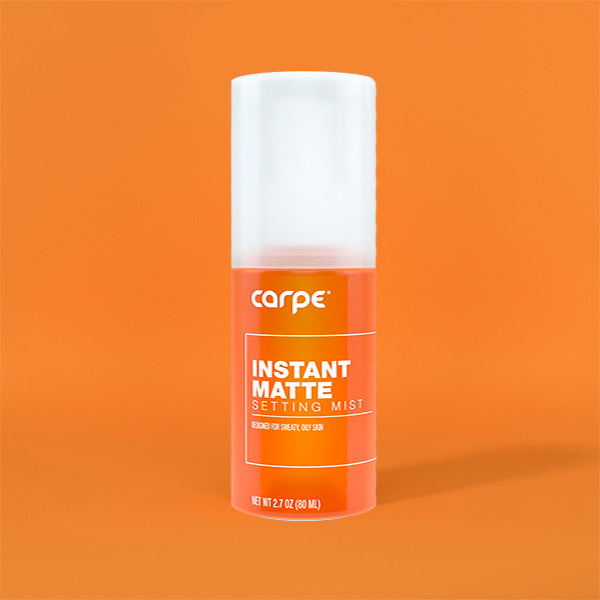
- Pat your face dry and reapply any mattifying products
- Do a quick underarm check and use Underarm Wipes for a touch-up if needed
Request a glass of water when you arrive. Sipping cold water helps lower your core body temperature and gives you something to do with your hands while you wait.
Master Breathing Techniques
Deep breathing is one of the most effective tools for interrupting the fight-or-flight response that triggers nervous sweating. When practiced correctly, it activates your parasympathetic nervous system—the "rest and digest" counterpart to fight-or-flight—signaling safety to your brain.
Box breathing technique:
1. Inhale slowly through your nose for 4 seconds
2. Hold your breath for 4 seconds
3. Exhale slowly through your mouth for 4 seconds
4. Hold your breath for 4 seconds
5. Repeat 3-4 times
You can practice this discretely in the waiting room, in your car before entering the building, or even in the restroom. The more regularly you practice, the more quickly your body learns to access calm on command.
During High-Stakes Moments
Even with thorough preparation, you may feel stress sweat beginning during your interview or presentation. Here's how to manage it in real-time.
Reframe Your Nervous Energy
Research from the American Psychological Association suggests that trying to suppress anxiety often backfires. Instead, try reframing your nervousness as excitement. Both emotions involve similar physiological arousal—increased heart rate, heightened alertness, and yes, sometimes sweating.
Tell yourself "I'm excited about this opportunity" rather than "I need to calm down." This cognitive reappraisal technique has been shown to improve performance in stressful situations.
Use Strategic Pauses
If you feel yourself getting flushed or notice sweat beginning to appear:
- Take a deliberate sip of water (which also lowers internal temperature)
- Pause to "consider the question" before answering
- Shift your focus from internal sensations to the interviewer's words
These brief pauses give your nervous system a moment to recalibrate without being obvious to others.
Remember: They Probably Don't Notice
Studies suggest that we consistently overestimate how much others notice our anxiety symptoms—a phenomenon psychologists call the "spotlight effect." While you may be acutely aware of every drop of perspiration, interviewers are typically focused on your answers, qualifications, and interpersonal skills.
Even if they do notice some nervousness, most interviewers expect candidates to feel anxious. Most people experience some level of nervousness before interviews. A small amount of visible nervousness can even be interpreted positively—as evidence that you genuinely care about the opportunity.
For Chronic Nervous Sweaters
If nervous sweating significantly impacts your professional life beyond occasional high-stakes moments, you may be experiencing a form of hyperhidrosis triggered by emotional stress. This is more common than many people realize.
Resources on public speaking with hyperhidrosis can provide additional strategies for managing sweat during presentations and professional interactions. The Mayo Clinic also offers guidance on when excessive sweating warrants medical consultation.
For persistent stress-triggered sweating, consider:
Cognitive behavioral therapy (CBT): Working with a therapist to address underlying anxiety can reduce the frequency and intensity of nervous sweating episodes.
Beta-blockers: Talk to your doctor about whether medications like propranolol might help with situational anxiety. These medications block some effects of adrenaline, which may help reduce physical symptoms of nervousness including sweating.
Comprehensive antiperspirant routine: Using clinical-strength antiperspirants on all affected areas (underarms, hands, face) as part of a daily routine—not just before stressful events—provides baseline protection that compounds over time.
Key Takeaways
Nervous sweating before job interviews and high-stakes moments is a normal physiological response, not a character flaw. With proper preparation and the right tools, you can minimize its impact on your confidence and performance:
1. Apply clinical-strength antiperspirant the night before for maximum effectiveness
2. Address hands and face—not just underarms—if those areas are problematic
3. Avoid caffeine, spicy foods, and alcohol before important events
4. Dress in breathable, dark-colored fabrics that conceal moisture
5. Practice breathing techniques to interrupt the anxiety-sweat cycle
6. Reframe nervousness as excitement to improve performance
7. Remember that others notice your sweating far less than you imagine
Your skills and qualifications got you the interview. Don't let manageable physiology stand between you and your next opportunity.


